
BUILT ON THE TOOTH
Composite Veneers in the Dominican Republic
Composite is sculpted directly onto the tooth in the chair rather than made in a laboratory, which changes the timeline, the cost and what can be adjusted later.
Free consultationSANTO DOMINGO · DOMINICAN REPUBLIC
HOW IT WORKS
Made in the chair, not the lab
A composite restoration is a resin that the clinician shapes on the tooth itself, curing it in layers. There is no impression sent to a laboratory and no waiting for a technician, which is why the visit count is usually lower than for a ceramic case.
It is also the most adjustable of the options. A composite edge can be reshaped or added to later without remaking the whole restoration. For a patient who wants to start conservatively, or who is not yet certain about a final shape, that flexibility has real value.
The clinic publishes composite veneers at US$99 per tooth — the most accessible entry point on its price list.
THE TRADE-OFF
What resin does and does not do
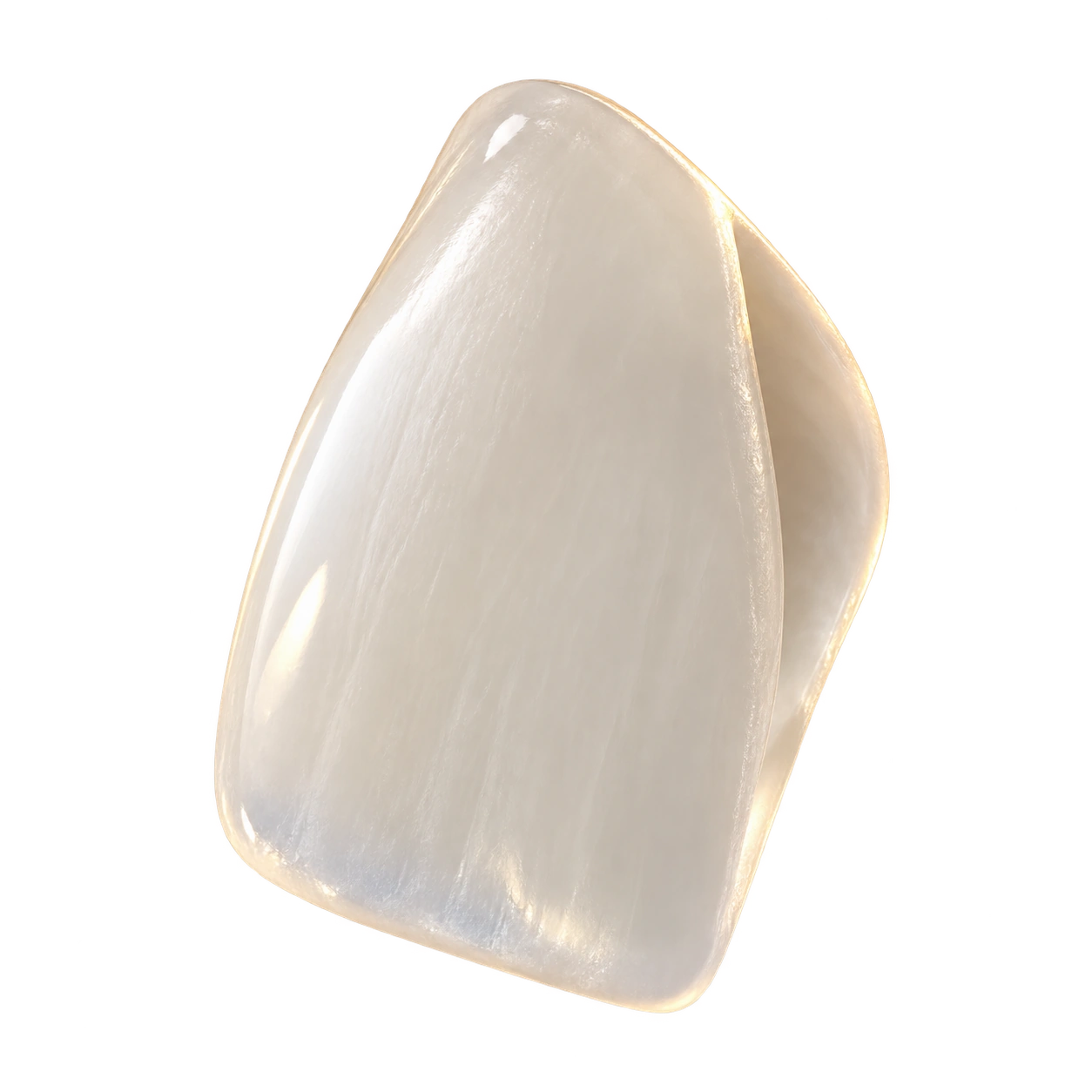
Resin reflects more light from its outer surface and less from within than ceramic does. Under strong or angled light it reads slightly flatter. It also picks up surface staining from coffee, wine and tobacco faster than a polished ceramic, and it will need polishing over time.
None of that makes composite the wrong choice. It makes it a different choice, with a different maintenance rhythm and a different price. What it should not be is a decision made only on cost — the clinic's own published advice is to weigh the dentist, the materials and the aftercare, not the price alone.
YOUR QUESTIONS
Answered plainly.
Why is composite so much cheaper?
There is no laboratory stage and no ceramic. The clinic publishes composite at US$99 per tooth against US$349 for porcelain. The difference is material and process, not care.
Will composite stain?
Resin picks up surface staining faster than polished ceramic. It can be re-polished. Habits such as coffee, wine and tobacco affect how quickly this happens.
Can composite be changed later?
Yes, more easily than ceramic. A composite edge can be reshaped or added to without remaking the restoration, which is part of why some patients start here.
YOUR NEXT STEP